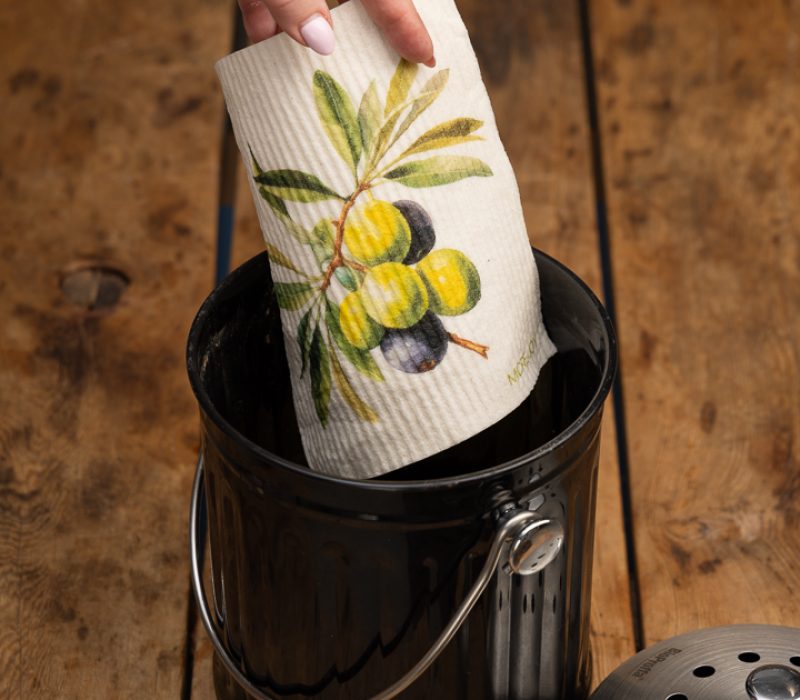


The highest form of recycling is extending the life of a product
Dishcloths, egg cartons, jeans and tin cans are all actually new raw materials. Here are six tips on how to upcycle household waste into a completely new product. From now on, you will see them as a completely new and valuable, the seventh natural resource.
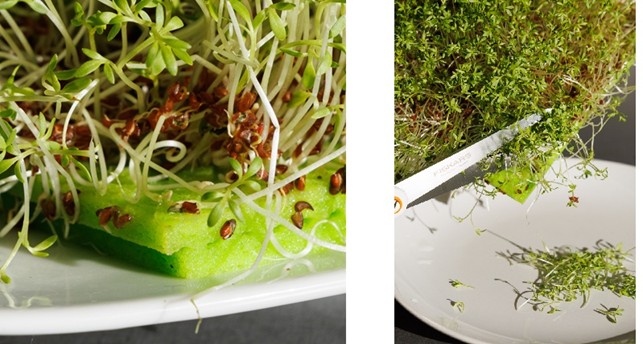
Dishcloth as a growing pot and humidifier
It is a good idea to boil an old dishcloth in water to kill bacteria. Place 1-2 cooled rags on a plate, wet them until they are very wet and sprinkle with cress or chia seeds. Ensure even moisture by pouring a drop of water once a day. After 3-5 days, the seeds will have germinated. Soon you can grab the edge of the dishcloth and cut a beautiful green leafy vegetable on top of bread or salad. Finally, you can put the cloth in biocompost or dig it into the garden flower bed to rot. One color dishcloth you’ll find HERE.
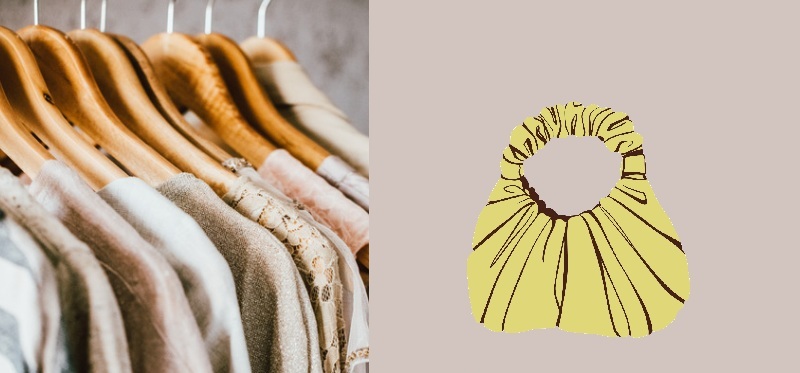
From a summer dress to a bag
An old item can be completely new and different in a creative way. Once your party dress has served as a garment for a long time, you can sew a personalized evening bag or purse from it. Decorate with beads, buttons and ribbons that you may have salvaged from a broken piece of jewelry or another garment.
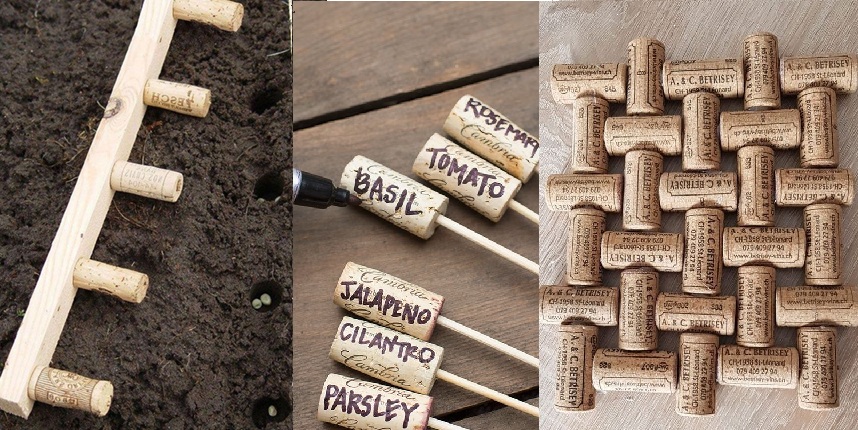
Wine bottle caps as a garden tool or trivet
Once the organic wines have been enjoyed and the corks have been collected, it’s time to further refine them. You can make a handy tool for planting seeds in no time by screwing the corks onto a wooden stick at the desired intervals. Then just press the seeds into the holes for planting. Once the seedlings have grown, they can be marked with barbecue sticks with the corks stuck into them. Write on the cork which herb or flower it is. You can build trivets and memo boards if you have been collecting corks for years. It is also worth asking your nearby restaurant for corks, which will also make it easier for them to reduce their waste.
Cans get eternal life
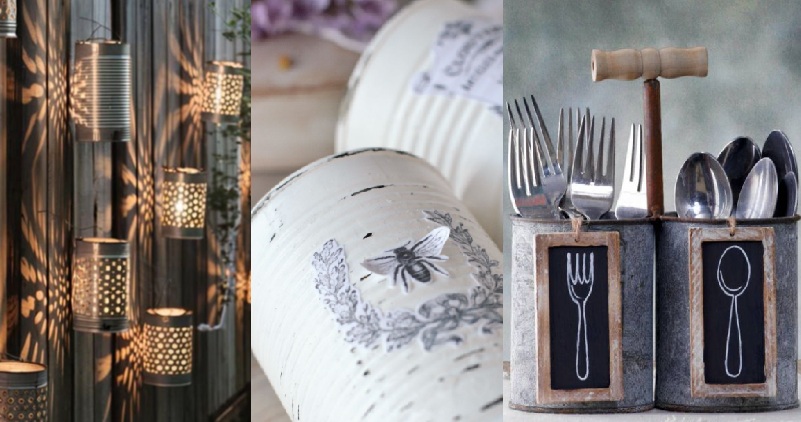
Save tin cans of all sizes and shapes, because you’re fascinated by their further processing. You can drill holes in the shape of patterns and put a candle in the can, which will filter the light beautifully and create an atmosphere.
If you like painting and want to decorate cans for different purposes, Pinterest is full of wonderful ideas. You can paint, glue patterns, cover the cans with map pages, napkins, wallpaper scraps, children’s drawings, sheet music, string. The only limit is your imagination.
As a summer gift to your cottage, you can build your own sorting basket for forks and knives. You can organize pens, brushes or other tools in the same way. You can even use the combined pots for herbs.
Every inch of jeans to use
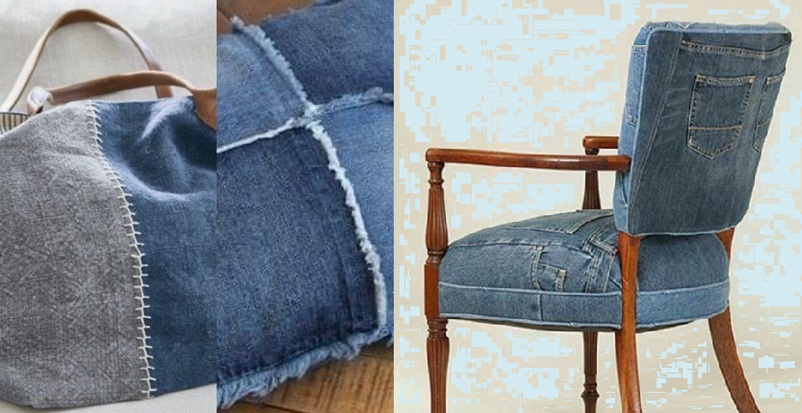
When your worn-out jeans are no longer worn as clothing, it’s a good idea to cut them open at the seams and use them as fabric with pockets. Strong jeans can be used to make durable bags, cushions, quilts, and even upholstery for chairs and stools.
Save old buttons
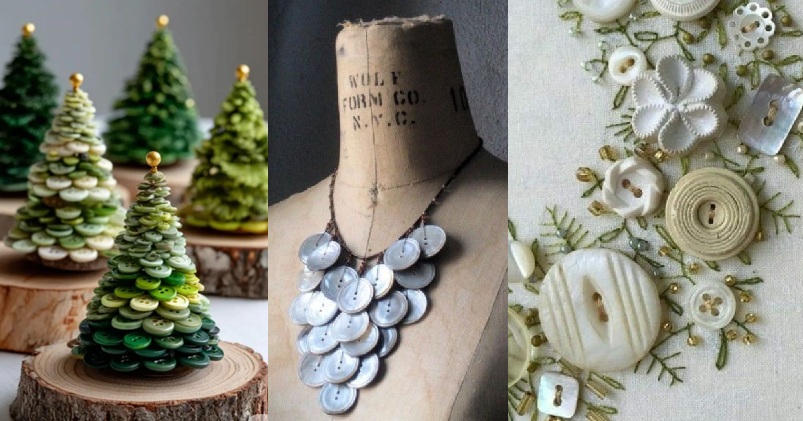
It’s a good idea to collect buttons by color in different jars from all the clothes you’re giving up. You can use them to make bracelets and necklaces. You can use buttons to decorate old embroidered or crocheted cloths. Or you can glue buttons into Christmas decorations, where the color of the buttons has more meaning than the size. You’ll soon start to see each button as a step towards a creative, new product.
Domestic sorting station
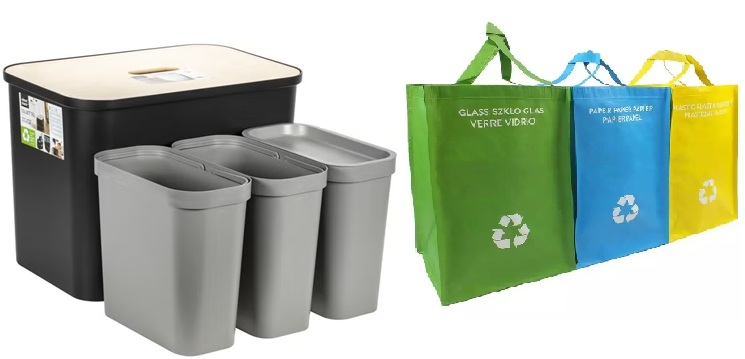
And finally, if you don’t already have a small sorting station at home, build one in a closet, for example, out of small reusable bags that are easy to take with you and empty at the housing association’s or store’s common collection point. The picture shows a ready-made box version of Finnish Orthex purchased by type, as well as recycling bags that many stores sell.
WWF Green office
WWF offers companies the Green Office label, which can be used to communicate the responsibility of their own company. As sustainability regulations become more stringent, a ready-made model, versatile tools, inspiring communication materials and support from WWF experts help to make environmental measures part of the everyday life of the work community. Discover the services https://wwf.fi/greenoffice
Writer
The article was written by Susanna Myllymäki from More Joy Oy, who is always inspired by discarded materials. She has made textile artworks from cut dishcloth materials and uses die-cutting waste in the same way. A small piece of trash can be a piece of a larger work.